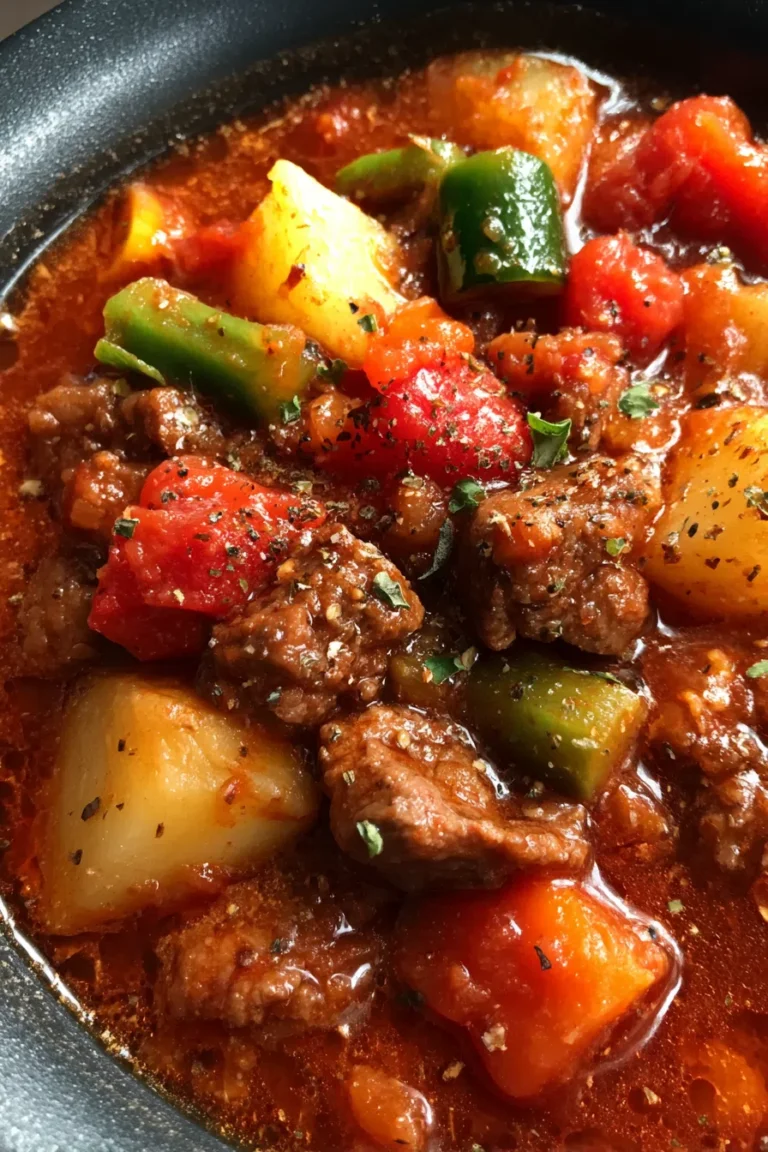
Crispy Sheet Pan Chicken Thigh Meals
Sheet pan dinners are a weeknight champion, offering a simple, streamlined approach to getting a delicious and nutritious meal on the table. And when it comes to flavor and ease, crispy sheet pan chicken thighs reign supreme. This guide will explore the best techniques for achieving perfectly crispy skin, complementary vegetable pairings, essential tips for success, and a collection of mouthwatering recipe variations. Get ready to transform your dinner routine with the versatility of crispy sheet pan chicken thighs.
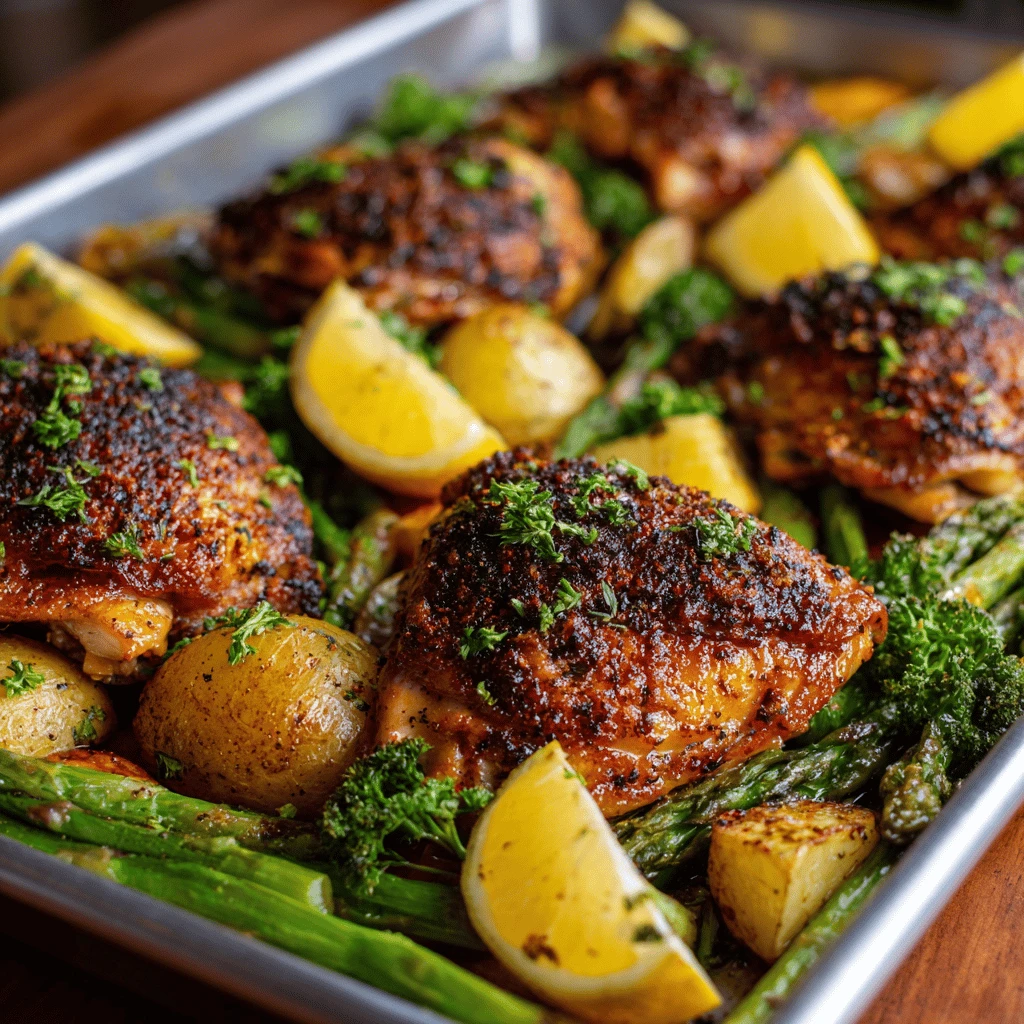
The Secret to Crispy Chicken Thighs on a Sheet Pan
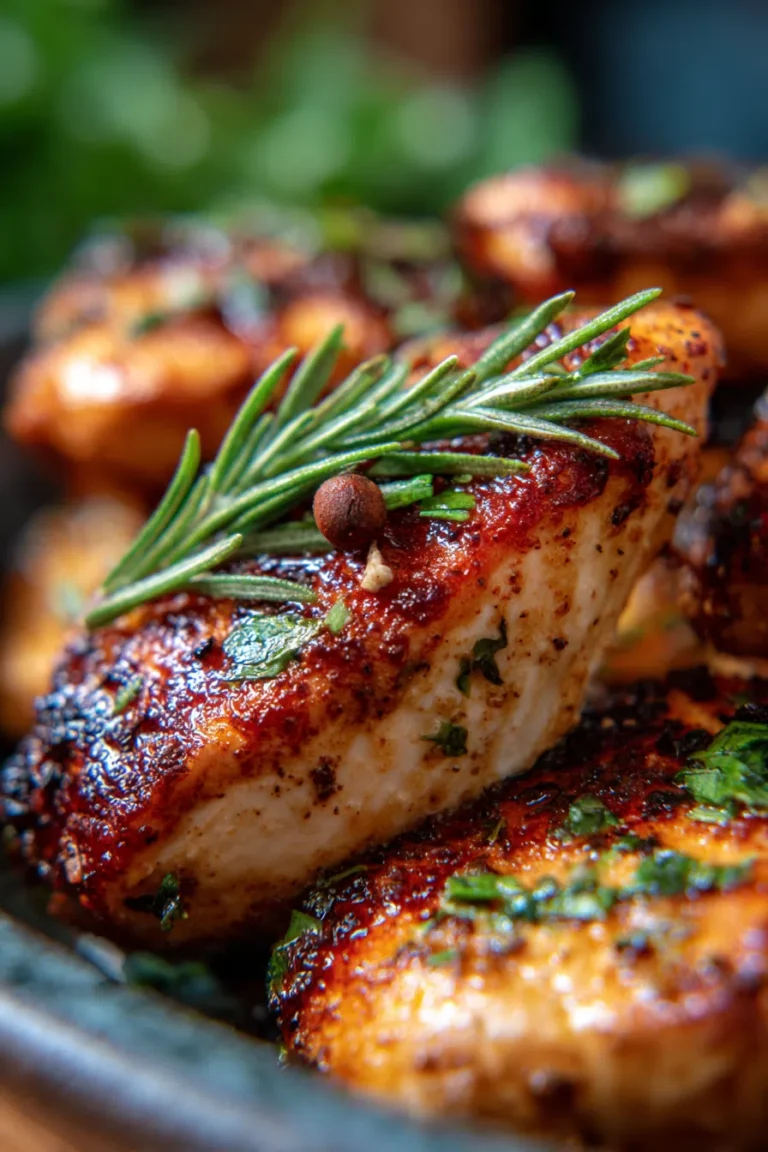
Achieving that desirable crispy skin on chicken thighs in the oven requires a few key strategies. The biggest challenge is preventing the chicken from steaming instead of crisping. Here’s how to master the art:
- Dry the Chicken Thoroughly: This is the most crucial step. Use paper towels to pat the chicken thighs completely dry, inside and out. Moisture is the enemy of crispy skin.
- High Heat is Your Friend: A high oven temperature, typically 400-425°F (200-220°C), is essential for rapid crisping. Higher heat helps render the fat and create that irresistible crackle.
- Don’t Overcrowd the Pan: Ensure the chicken thighs are spaced evenly on the sheet pan with enough room for air to circulate. Overcrowding leads to steaming. Use two sheet pans if necessary.
- Elevate the Chicken (Optional): Placing the chicken on a wire rack set inside the sheet pan allows hot air to circulate fully around each piece, promoting even crisping.
- Proper Seasoning and Oil: Use a generous amount of oil with a high smoke point, such as avocado oil, olive oil, or grapeseed oil. Season liberally with salt, pepper, and your favorite herbs and spices. Salt helps to draw out moisture and further crisp the skin.
- Skin Side Up Always: Ensure the chicken thighs are skin-side up for the entire cooking time.
- Consider Basting (Optional): Basting with pan juices or a simple glaze during the last few minutes of cooking can add extra flavor and help caramelize the skin. Be careful not to over-baste, as too much liquid can soften the skin.
- Let it Rest: Once cooked, let the chicken rest for a few minutes before serving. This allows the juices to redistribute, resulting in a more tender and flavorful outcome.
Perfect Vegetable Pairings for Sheet Pan Chicken
The beauty of sheet pan dinners lies in their versatility. Chicken thighs pair wonderfully with a wide array of vegetables, making it easy to create balanced and flavorful meals. Consider these options:
- Root Vegetables: Carrots, potatoes (russet, sweet, or fingerling), parsnips, and beets are excellent choices. Their natural sweetness complements the savory chicken. Cut them into uniform sizes to ensure even cooking. Toss with oil, herbs, and spices before adding them to the sheet pan.
- Cruciferous Vegetables: Broccoli, Brussels sprouts, cauliflower, and cabbage offer a satisfying crunch and a wealth of nutrients. For optimal results, roast them at a slightly higher temperature or for a longer time than other vegetables. Consider roasting them separately for the first 10-15 minutes before adding the chicken.
- Onions and Peppers: Red onions, yellow onions, bell peppers (any color), and poblano peppers add vibrant flavor and color to the sheet pan. They caramelize beautifully in the oven and complement the chicken’s savory notes.
- Green Beans and Asparagus: These slender vegetables cook quickly and add a touch of freshness to the meal. Add them to the sheet pan during the last 15-20 minutes of cooking to prevent them from becoming overcooked and soggy.
- Cherry Tomatoes: These burst with juicy sweetness when roasted. Add them to the pan during the last 10-15 minutes of cooking.
- Squash: Butternut squash, acorn squash, and other winter squashes roast well and add a comforting sweetness to the meal. Cube the squash into even sizes and roast for a longer time than other vegetables.
- Consider the Timing: Different vegetables require different cooking times. Add heartier vegetables, such as root vegetables and squash, to the sheet pan earlier in the cooking process. Add more delicate vegetables, such as green beans and cherry tomatoes, later on.
Essential Tips for Sheet Pan Chicken Success
While sheet pan chicken dinners are relatively simple, these tips can help ensure consistently delicious results:
- Invest in Good Quality Sheet Pans: Choose heavy-duty sheet pans that won’t warp or buckle in the oven. Light-colored pans are preferable as they promote even browning.
- Line the Pan: Line the sheet pan with parchment paper for easy cleanup. Alternatively, you can use aluminum foil, but be sure to spray it with cooking spray to prevent sticking.
- Don’t Skimp on the Oil: Oil is essential for achieving crispy skin and preventing the vegetables from sticking to the pan. Use a generous amount, but avoid over-oiling.
- Preheat the Oven Thoroughly: Ensure the oven is fully preheated before adding the sheet pan. This helps the chicken and vegetables cook evenly.
- Monitor the Internal Temperature: Use a meat thermometer to ensure the chicken is cooked to an internal temperature of 165°F (74°C). Insert the thermometer into the thickest part of the thigh, avoiding the bone.
- Let the Chicken Rest: Allow the chicken to rest for a few minutes before serving. This helps the juices redistribute, resulting in a more tender and flavorful result.
- Don’t Be Afraid to Experiment: Sheet pan chicken dinners are a great way to use up leftover vegetables or try new flavor combinations. Don’t be afraid to experiment with different herbs, spices, and sauces.
- Spice it Up: Experiment with different spice rubs and marinades. Consider using paprika, garlic powder, onion powder, chili powder, or a combination of your favorite spices.
Flavorful Recipe Variations to Try
Once you’ve mastered the basic technique, explore these delicious variations to add excitement to your sheet pan chicken routine:
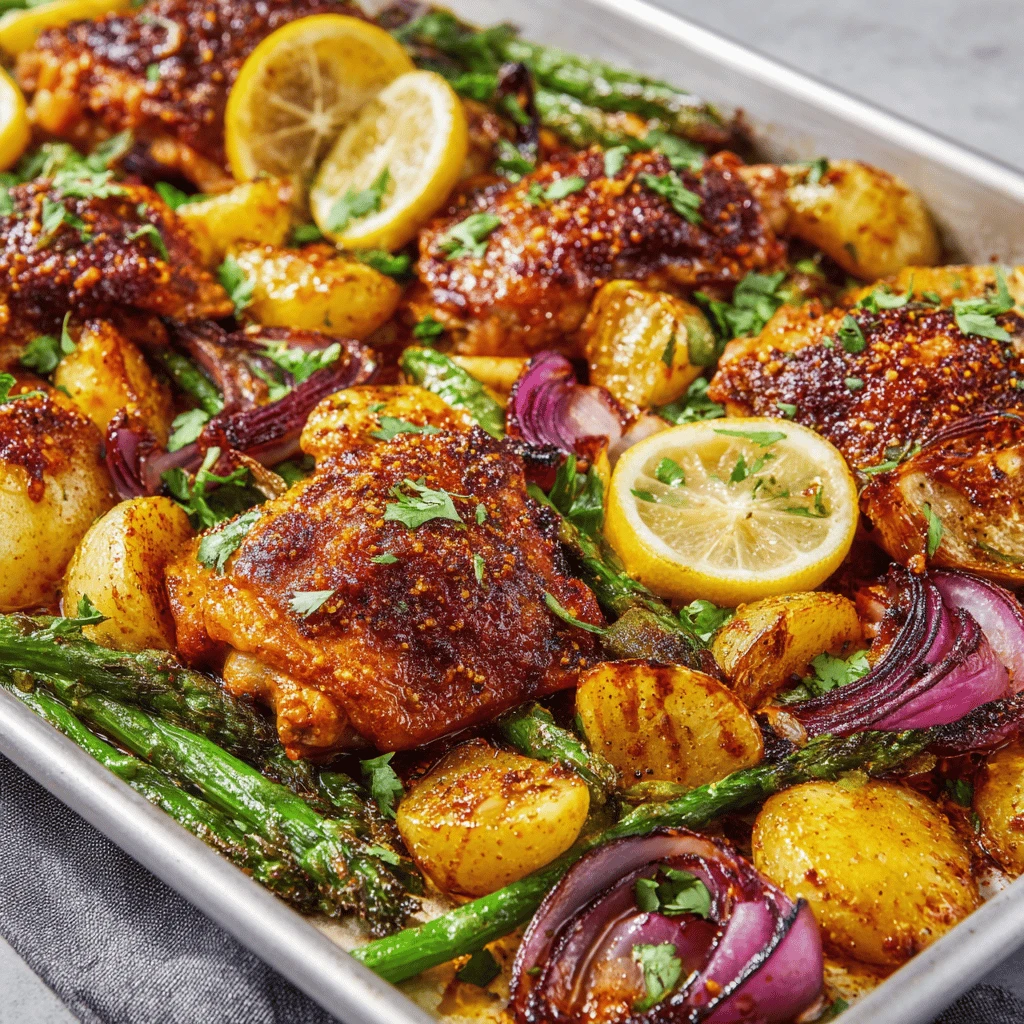
- Lemon Herb Chicken with Roasted Asparagus: Combine lemon zest, garlic, thyme, rosemary, and olive oil to create a flavorful marinade. Roast the chicken with asparagus for a light and refreshing meal.
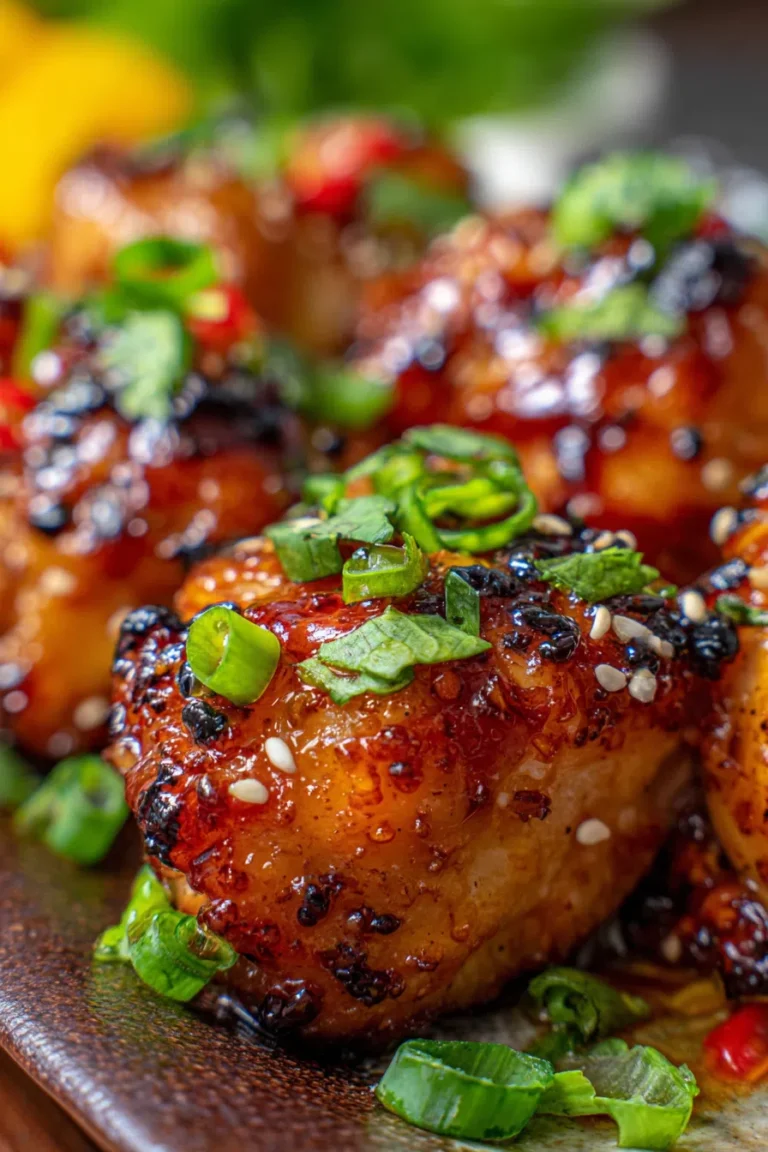
- Honey Garlic Chicken with Roasted Broccoli: Create a sweet and savory glaze with honey, garlic, soy sauce, and ginger. Roast the chicken with broccoli for a satisfying and flavorful dinner.
- Spicy Paprika Chicken with Roasted Potatoes and Peppers: Combine paprika, cayenne pepper, garlic powder, and onion powder to create a spicy spice rub. Roast the chicken with potatoes and bell peppers for a hearty and flavorful meal.
- Balsamic Glazed Chicken with Roasted Brussels Sprouts: Create a tangy and sweet glaze with balsamic vinegar, honey, and Dijon mustard. Roast the chicken with Brussels sprouts for a sophisticated and flavorful dinner.
- Mediterranean Chicken with Roasted Vegetables: Combine olive oil, lemon juice, oregano, and garlic to create a flavorful marinade. Roast the chicken with zucchini, eggplant, red onion, and bell peppers for a healthy and delicious Mediterranean-inspired meal. Add crumbled feta after roasting for a salty finish.
- Maple Dijon Chicken with Roasted Root Vegetables: Combine maple syrup, Dijon mustard, apple cider vinegar, and olive oil for a sweet and tangy glaze. Roast with carrots, parsnips and potatoes for a perfect fall-inspired dish.
Frequently Asked Questions About Crispy Sheet Pan Chicken
- How do I keep my chicken skin from getting soggy? Ensure the chicken is thoroughly dried before cooking. Use high heat and avoid overcrowding the pan. Consider using a wire rack to elevate the chicken.
- What temperature should I cook chicken thighs at? 400-425°F (200-220°C) is ideal for crispy skin.
- How long do chicken thighs take to cook on a sheet pan? The cooking time depends on the size of the chicken thighs, but generally, it takes 30-45 minutes at 400-425°F (200-220°C). Use a meat thermometer to ensure the internal temperature reaches 165°F (74°C).
- Can I use bone-in, skin-on chicken breasts instead of thighs? Yes, but chicken breasts tend to dry out more easily. Reduce the cooking time and monitor the internal temperature closely. You might want to brine them first.
- Can I marinate the chicken ahead of time? Absolutely! Marinating the chicken for at least 30 minutes or up to overnight will enhance the flavor.
- What kind of oil should I use? Use an oil with a high smoke point, such as avocado oil, olive oil, or grapeseed oil.
- Can I use frozen vegetables? While fresh vegetables are preferable, you can use frozen vegetables in a pinch. Thaw them slightly before adding them to the sheet pan and pat them dry to remove excess moisture. Be aware that they might release more water during cooking, potentially affecting the crispiness of the chicken.
- My vegetables are burning before the chicken is cooked. What should I do? Reduce the oven temperature slightly and tent the vegetables with aluminum foil. You can also remove the vegetables from the pan and keep them warm while the chicken finishes cooking.